
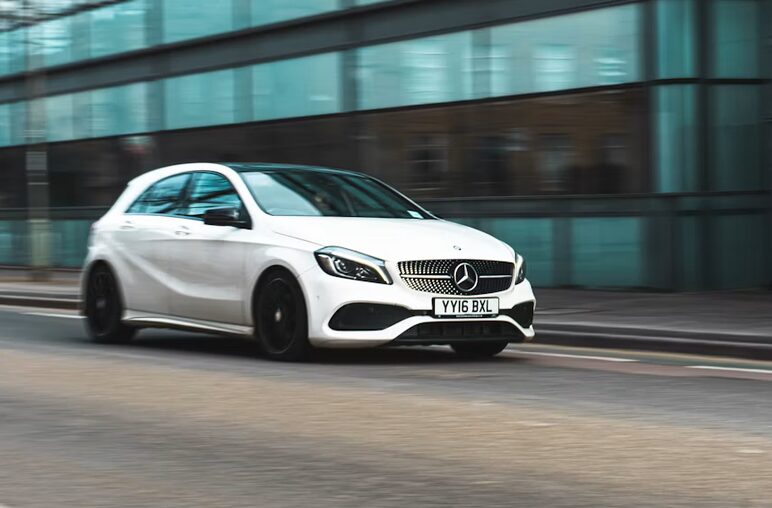
Why Modern Cars Feel Heavier Even When Their Engines Get Smaller

Modern cars can feel surprisingly heavy, even when their engines have fewer cylinders and smaller displacements than older models. Vehicle weight, tire size, insulation, safety equipment, electric systems, and chassis design all play a role. Automakers have also changed how cars deliver power and absorb road impacts. As a result, a smaller engine does not automatically create a lighter-feeling vehicle. Understanding these changes helps explain why a current compact SUV may feel more substantial than an older car with a larger engine.

Adding Safety Equipment and Structural Strength

Safety technology is one of the biggest reasons modern vehicles have gained weight. Cars now commonly include multiple airbags, stronger passenger compartments, advanced seatbelt systems, reinforced doors, and structures designed to manage crash energy. Driver-assistance features add more equipment. Cameras, radar sensors, control modules, wiring, and electronic actuators all require space and mass. Even features that seem small can contribute when combined across the entire vehicle. Engineers must balance weight with crash protection, durability, and performance. A modern vehicle may therefore carry more hardware than an older model while still using a smaller engine.

Increasing Insulation and Cabin Refinement

Modern vehicles are also designed to feel quieter and smoother. Extra sound-deadening materials can be placed inside doors, floors, dashboards, wheel wells, and other areas. Thicker glass and improved seals can further reduce wind and road noise. This creates a more isolated cabin, but it adds weight. Comfort features contribute too. Power seats, larger infotainment systems, heated and ventilated seats, premium audio equipment, powered tailgates, and multi-zone climate systems require motors, wiring, modules, and supporting hardware.

Using Larger Wheels and Tires

Wheel and tire sizes have increased dramatically across many vehicle categories. Larger wheels can improve appearance and allow manufacturers to use wider tires or larger brake systems. However, larger wheels and tires can also increase unsprung and rotating mass. This may affect how quickly the vehicle responds to steering inputs and how firmly it reacts to bumps. A heavy wheel-and-tire package can make a vehicle feel more planted, but it can also make acceleration, braking, and suspension movement feel less immediate. The sensation is especially noticeable when comparing an older vehicle with modest wheels against a newer model wearing large, low-profile tires.

Relying on Smaller Engines With Modern Technology

Engine downsizing does not necessarily mean reducing the overall mass of the car. It usually means producing similar or greater power from a smaller engine. Turbocharging, direct injection, variable valve timing, and sophisticated engine controls make this possible. A smaller turbocharged engine can replace a larger naturally aspirated engine while maintaining useful torque and power. The vehicle around it, however, may remain large and heavily equipped. Hybrid models can add batteries, electric motors, and power electronics. The result can be a powertrain that is technologically smaller in one area but heavier as a complete system.

Feeling Weight Through Steering and Suspension
Perceived heaviness is not always the same as actual weight. Steering calibration, suspension tuning, throttle response, and braking characteristics can change how a vehicle feels from the driver’s seat. Modern cars often use electric power steering, which allows manufacturers to adjust steering assistance through software. Some vehicles are deliberately tuned to provide a stable, substantial sensation at higher speeds. Suspension tuning matters as well. A softer setup can make a heavy vehicle feel calm and settled, while a firm setup can make its mass more noticeable over rough surfaces. Automatic transmissions can also change the sensation by managing engine speed and gear changes more smoothly.

Considering the Bigger Picture

The smaller engine under a modern hood is only one part of the vehicle. The rest of the car may contain more safety equipment, electronics, insulation, comfort systems, larger wheels, and structural reinforcement than previous generations. That is why engine downsizing and vehicle weight can move in different directions. Manufacturers are reducing engine size to improve efficiency and emissions while adding technology to meet safety, comfort, performance, and consumer expectations and everyday driving comfort.

Modern cars can therefore feel heavier because they often are heavier, but their driving character also comes from how that weight is distributed and controlled. Looking beyond engine size gives a clearer picture of why today’s vehicles can combine compact powertrains with a solid, substantial road feel.…

Read More
When Cars Dream: What Self-Driving Vehicles Might Do While You Sleep

You drift off to sleep in the backseat. The highway lights blur by, soft music plays, and your car glides through the night on autopilot. It’s not science fiction anymore—autonomous vehicles are getting closer to being a real part of our everyday lives. But once we fully hand over the wheel, it opens up an entirely new question: what will our cars do when we’re not awake or paying attention?

Sure, we know what they’ll do on paper—navigate traffic, avoid obstacles, follow GPS. But as cars become more intelligent, connected, and independent, it’s not hard to imagine them doing much more while we sleep. Let’s peek into the possible “dreams” of tomorrow’s cars—and what they might be quietly getting up to while we snooze.

Running Errands While You Rest

One of the most practical possibilities? Your car could become your assistant. While you sleep, it could swing by to pick up groceries you ordered, grab your dry cleaning, or even deliver a package for you. With autonomous fleets already being tested for delivery services, it’s easy to imagine personal cars doing double duty during downtime. Essentially, your car could take on a night shift, checking items off your to-do list without waking you.

Charging Up and Checking In

Electric vehicles (EVs) are already designed to charge during off-peak hours. Now imagine your self-driving car quietly navigating to the nearest charging station while you sleep—no plugs to deal with, no waiting around. Even cooler? While charging, it could run a diagnostic check, update its software, and alert you about any issues before you even open your eyes. It’s like your car having a nighttime spa session, so it’s refreshed and ready for tomorrow.

Learning Your Habits and Preferences

Cars of the future might not just drive—they might learn. Overnight, your car could process your recent driving habits and adjust itself accordingly. Maybe it starts pre-setting your seat based on posture changes, adjusting the interior temperature depending on the weather forecast, or even choosing morning playlists based on your mood the night before. As AI gets smarter, your car might use its “dream time” to become a better, more personalized companion.

Talking to Other Cars and Infrastructure

What happens when every car on the road is connected? They start chatting. While you sleep, your self-driving vehicle might be exchanging information with other cars, traffic systems, or city infrastructure. It could learn about road closures, accidents, or the fastest routes for tomorrow’s commute. Think of it like your car joining a virtual coffee shop where it catches up on road gossip—all so it can plan the best possible path for you before sunrise.

Moonlighting as a Rideshare

Here’s a bold one: what if your car could earn money while you sleep? If laws and insurance policies evolve, your self-driving vehicle could become part of a nighttime rideshare network—safely transporting other passengers while you’re tucked in at home. You wake up, and not only is your car recharged, cleaned, and parked, but it’s also made you a little extra cash. A new kind of passive income, powered by autonomous tech.

As self-driving cars become more than just machines that move, they start to resemble smart devices with purpose—even personality. While you’re resting, they could be navigating city streets, managing errands, syncing data, or talking with other vehicles. The idle car may soon be a thing of the past. Instead, we’ll have quiet companions that continue working, learning, and serving us—even while we dream.…

Read More

Best Value Sports Cars You Should Buy in 2023

sports car

Sports cars are not just for show. They’re built to dominate the road and give drivers an exhilarating driving experience. However, many sports cars come with a hefty price tag, making it way more difficult for the average person to afford. They can only dream high and join a car giveaway contest, hoping they can win their favorite dream car.

But did you know that there are still some great value sports cars out there that won’t break the bank? In 2023, we’re lucky to be spoiled for choice with some of the best value sports cars on the market. Here are our top picks for the best value sports cars you should buy in 2023.

2023 Toyota GR86

toyota

The 2023 Toyota GR86 is a true testament to the brand’s commitment to delivering exhilarating driving experiences. With its sleek and athletic design, this sports car demands attention on the road. The aggressive front grille, sharp lines, and sculpted bodywork give it an unmistakable presence that turns heads wherever it goes.

Underneath the hood lies a powerful 2.4-liter four-cylinder engine that produces an impressive 228 horsepower. This means you’ll have plenty of power at your disposal for those thrilling accelerations and tight cornering maneuvers. The lightweight construction of the GR86 also enhances its agility, making it feel nimble and responsive in every twist and turn.

2023 Chevrolet Camaro

The 2023 Chevrolet Camaro is a true icon in the world of sports cars. With its powerful performance and bold design, it demands attention wherever it goes. Under the hood, you’ll find a range of engines to suit every driver’s needs. From the base V6 engine to the mighty V8, there’s no shortage of power in this beast.

The Camaro also offers precise handling and extremely responsive steering, making it a real joy to drive on winding roads or at extreme high speeds. But it’s not just about power with the Camaro – it also delivers on style. With its sleek lines and aggressive stance, this car exudes confidence and attitude. And with options like racing stripes and custom paint colors, you can truly make it your own.

2023 Subaru BRZ

One of the standout features of the 2023 Subaru BRZ is its improved handling and agility. The car has been redesigned to provide better balance and responsiveness on the road, making every twist and turn an exhilarating experience. Whether you’re taking it for a spin on a winding mountain road or pushing it to the limits on a track, the BRZ delivers in terms of driving dynamics.

Underneath the hood, you’ll find a naturally aspirated 2.4-liter four-cylinder engine that produces impressive power. Paired with either a solid six-speed manual transmission or an available automatic transmission with smooth paddle shifters, the BRZ offers plenty of fun behind the wheel. Inside the cabin, you’ll be greeted by a driver-focused cockpit designed to enhance your overall driving experience.

2023 Mazda MX-5 Miata

mazda

The 2023 Mazda MX-5 Miata isn’t just about looks – it’s also incredibly fun to drive. Under the hood, you’ll find a 2.0-liter four-cylinder engine that delivers plenty of power for an exhilarating driving experience. The MX-5 Miata also boasts excellent handling and precise steering, making every twist and turn on the road feel effortless. Whether you’re cruising along coastal highways or tearing up mountainous terrain, the 2023 Mazda MX-5 Miata will provide endless excitement behind the wheel. It’s no wonder why this car has remained a favorite among enthusiasts for decades.

Choosing from these best-value sports cars depends on your personal preferences and needs. Whether you prioritize speed, style, or practicality – there’s something for everyone on this list.…

Read More

Tips for Selling a Used Car

auto buy

Are you planning on selling your car? You can sell your vehicle and receive a great offer from multiple networks of verified dealers. In other words, when you plan on selling your car, there are significant aspects you need to consider to make an ideal choice. Without the recommended selling tips, it will be challenging to sell your vehicle.

Ideally, when you want to sell your car, you need to sell it quickly and at the right place. When you are a seller, you need to take your time and identify what buyers need from specific car models. Doing this will be easy to determine how quickly you will sell your vehicle. On the same note, you need to understand that car buyers want to feel confident and secure when they make a purchase, especially when buying used cars. Here are the tips you need to consider when selling a vehicle.

Understand Your Car’s Value

car drivingAs a car owner, you need to understand the value of your vehicle. Obviously, we all love our cars, and it will be easy to determine its worth. In most cases, you will note that the car market sets vehicle value. But you will later realize that a specific car’s value is affected by mileage and age.

When you do not understand your car’s value, it will be hard to determine the perfect price. Also, it would help if you went with the current market prices to make the right choice. In doing this, it will be easy to price your car and sell it to potential car buyers.

Choose Your Selling Route

When planning on selling your vehicle, it is advisable to understand that there are various channels you can use depending on your needs. You can decide to use a professional car dealer to sell your car quickly. If you want to sell it privately, make sure you know the ideal steps you need to follow.

vehicle

Be Ready to Negotiate

The process of selling a used car can be challenging when you do not understand the perfect steps you need to follow. In this process, it is recommended to negotiate with the buyers to determine the actual price that will suit your car, depending on its current condition. When you meet prospective buyers, they will be ready to negotiate, and you should listen to their budget before making your decision.…

Read More